
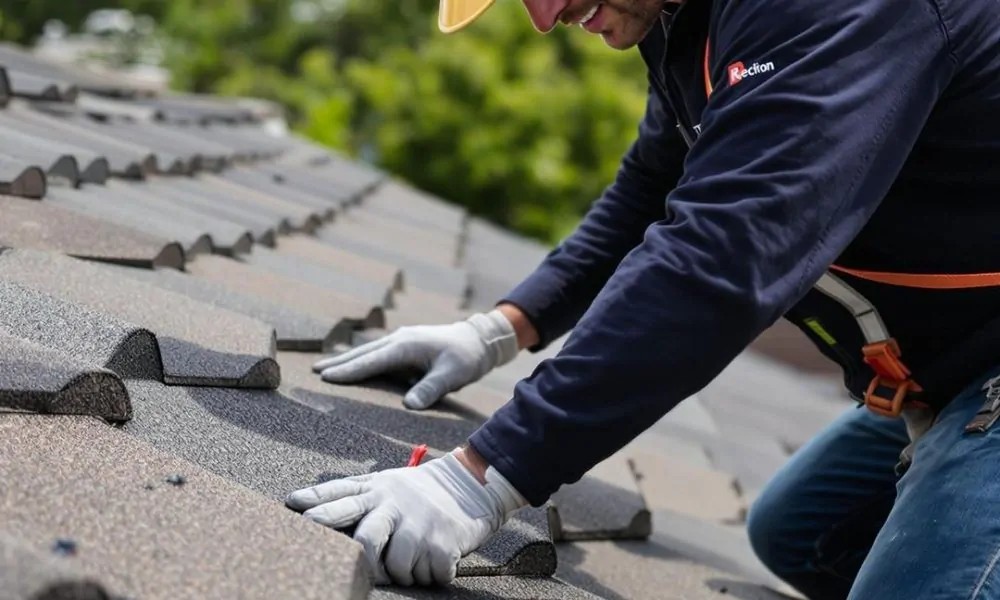

The power of water flowing in the seasonal storms always tests the strength of any building surface. Minor cracks around joints or edges may allow water to penetrate and cause damage in the long run. Suitable sealing methods are significant in the prevention of leaks and dampness in structures. This is one of the key techniques that involves the use of flashing on roof where surfaces meet or change direction. This protective coating aims at directing water away from weak points. These areas should be paid due attention to in order to prevent the long-term problems of even a well-built structure, such as dampness or gradual wear.
Roof Edge Protection Prevents Leakage
Edges remain highly exposed during strong rainfall because water flows quickly along these sections; therefore, proper sealing ensures water moves away instead of entering through small open joints or gaps.
Joint Areas Need Strong Sealing
Roof joints connect different sections which often create weak points therefore sealing these areas properly prevents water entry that may slowly damage inner layers of the structure over time.
Correct Installation is a guarantee of life.
Proper methods of placing layers make them effective even under pressure; experienced installation eliminates the possibility of premature damage to the structure by frequent exposure to water.
Stops Entry of Moisture into the Structure.
Water penetration may bring about concealed damage within surfaces, hence correct sealing blocks moisture, preventing loss of strength with the probability of inner weakening over long periods.
Eases Fear Of Structural Destruction.
Constant exposure to water can cause internal components to weaken; hence, robust protective layers will curb the long-term damage, and this will allow the components to remain stable and minimize the unnecessary expense of repairing the components over time.
Enhances the Performance of the roof.
Proper sealing is better in terms of performance of the surface in case of heavy rain, water is redirected towards the non-sensitive regions, thus the materials are not stressed during continuous exposure, thus ensuring lasting permanence.
Helps keep indoor dry environments.
Internal spaces are always sealed properly to ensure that they do not get wet due to seepage of water, hence minimizing damp conditions which would otherwise arise on the walls, ceiling, and the stored goods with time.
Favors Long-term cost saving.
Preventive protection removes the cost of repair, hence saving money in the long run, since it eliminates the situation of causing huge damages that could have been brought about by the untreated leakage or moisture buildup.
Weather Resistance Improves the level of safety.
Sealing is also strong, hence resistance to hard weather conditions, keeping safe, structural parts of the building do not need to suffer sudden downpour or prolonged water contact.
The proper planning with well-selected materials is better at resisting constant water pressure and the longer durability of surface strength. Frequent monitoring and appropriate installation mean long-term outcomes. Proper application of flashing on roof sections can prevent leakage, even as it assists in promoting the structural stability during extreme weather and seasonal rainfall.
FAQs
What is the purpose of roof flashing?
Roof flashing diverts water at the joints and edges, therefore avoiding leakages and ensuring that the structure is not damaged in the long run due to moisture.
Flashing- How frequently should it be checked?
Regular inspection should also be conducted, mostly prior to rainy seasons, in order to make sure that no damage or any holes are created that may admit water.
Is it possible that flashing can be seriously damaged?
Definitely, broken sealing permits slow water to fall inside, which can destroy the internal frame and cause expensive fixes if they are not maintained.
