
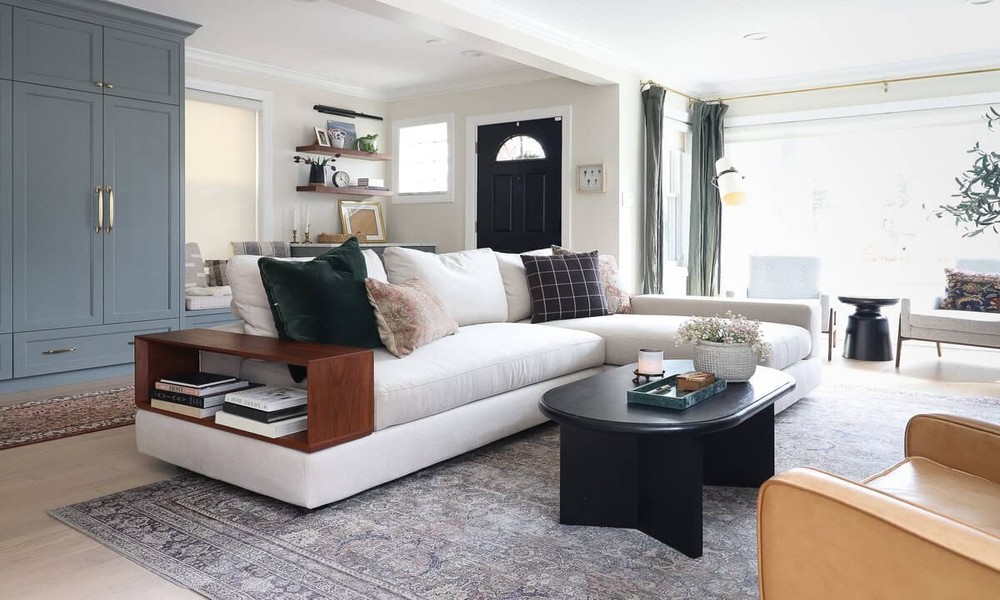

There is a particular kind of disappointment that happens after decorating a room.
You buy the sofa. Add the rug. Hang the artwork. Maybe even splurge on a coffee table you spent three weeks researching online. And yet somehow, the room still does not feel finished. It does not have that layered, polished atmosphere you associate with beautifully designed homes.
The frustrating part is that luxury interiors rarely reveal where the money actually went.
People assume expensive homes feel elevated because everything inside them costs more. But designers know this is only partly true. What truly makes a space feel luxurious is usually not extravagance – it is intentionality. The proportions feel right. The lighting is soft. The textures have depth. The windows are thoughtfully dressed. Nothing looks accidental.
And surprisingly, many of the upgrades that create this effect are relatively affordable.
In fact, some of the most transformative design decisions cost far less than replacing major furniture pieces. A room can feel dramatically more refined simply because the curtain rod was mounted higher, the lighting became warmer, or the hardware stopped looking builder-grade. Luxury is often built through details.
Here are some of the most expensive-looking home upgrades that are actually affordable – the kinds of changes designers rely on constantly to make homes feel elevated without requiring enormous budgets.
Upgrade Your Window Treatments First
Few things change a room faster than better window treatments. Bare windows or poorly sized curtains can make even beautiful interiors feel unfinished. Meanwhile, thoughtfully layered drapery instantly adds softness, height, and architectural presence.
And importantly, expensive-looking curtains are not always expensive curtains. Often, the difference lies in installation rather than price.
Hang Curtains Higher and Wider
One of the oldest designer tricks is mounting curtain rods significantly higher than the window frame – often close to the ceiling. This simple change:
- Makes ceilings appear taller
- Creates visual elegance
- Makes windows feel larger
- Adds a more architectural feeling to the room
Extending rods wider than the actual window frame also allows more natural light into the room because the curtain panels rest beside the glass rather than covering it.
The entire room immediately feels more expansive. Even affordable curtains suddenly look custom when hung correctly.
Choose Fuller Curtains
Thin, underfilled curtain panels are one of the quickest ways to make a room feel less polished.
Luxury custom curtains almost always feel generous. Adding fullness creates softer folds and a richer appearance, even with budget-friendly fabrics. Linen blends, textured cottons, and neutral woven materials tend to look especially elevated because they diffuse light beautifully. The effect feels calm rather than overly styled.
Swap Cheap Hardware
Curtain hardware matters more than most people expect. Flimsy rods, shiny plastic finials, or weak rings subtly cheapen the room because they interrupt the visual weight of the drapery.
Replacing them with:
- Matte black rods
- Antique brass finishes
- Warm bronze hardware
- Cleaner ceiling-mounted tracks
can dramatically elevate the entire space for relatively little cost. Good hardware makes the room feel intentional.
Crown Your Curtains with a Valance
One detail that quietly separates ordinary window treatments from truly finished ones is a well-designed valance. Think of it as the crown atop your curtains – adding polish, softness, and a custom-made appearance.
- Conceal curtain hardware and tracks
- Add visual height to the window
- Introduce extra texture, trim, or pattern
- Create a more tailored, designer-inspired look
Whether it’s a simple upholstered cornice, a relaxed fabric valance, or a structured box pleat design, this top layer gives windows greater presence and makes the treatment feel intentionally designed rather than simply installed. It’s a classic decorating technique that continues to appear in both traditional and contemporary interiors, especially when homeowners want a room to feel more layered and complete.
Layer Your Lighting
Lighting is one of the most underrated luxury upgrades in any home. Many spaces rely almost entirely on overhead lighting, which tends to flatten textures and make rooms feel harsh at night. Designers almost never stop at one ceiling fixture alone. Instead, they layer lighting throughout the room.
Add Table Lamps and Floor Lamps
Soft pools of light instantly create warmth. Even inexpensive rooms begin to feel richer when light exists at multiple heights rather than coming from one bright source overhead.
Designers frequently combine:
- Table lamps
- Floor lamps
- Wall sconces
- Accent lighting
- Warm bulbs
This layered glow creates atmosphere far more effectively than expensive furniture ever could.
And importantly, warm lighting enhances every other material in the room:
- Linen looks softer
- Wood appears richer
- Paint colours gain depth
- Curtains glow beautifully
The entire home feels calmer.
Switch to Warm Bulbs
One of the cheapest upgrades with the biggest visual payoff is changing the bulb temperature.
Cool white lighting often makes homes feel sterile and flat. Warm lighting feels softer, more inviting, and significantly more luxurious. This small adjustment changes how every colour and texture inside the room is perceived.
Add Architectural-Looking Details
Luxury interiors often feel expensive because they contain subtle architectural depth. Fortunately, many of these details can be added affordably.
Wall Moulding Creates Instant Elegance
Simple trim work or panel moulding can dramatically elevate plain walls.
Even minimal moulding:
- Adds depth
- Creates shadow and dimension
- Makes rooms feel more custom
- Gives homes a more established appearance
This works beautifully in living rooms, dining rooms, bedrooms, and even hallways. And because the materials themselves are often inexpensive, the transformation feels disproportionately impactful for the cost.
Upgrade Interior Doors and Hardware
Builder-grade doors and hardware often make homes feel less refined subconsciously.
Swapping:
- Hollow-core doors for solid-looking styles
- Basic knobs for aged brass or matte black hardware
- Standard hinges for cleaner finishes
can subtly elevate the entire house.
These details matter because luxury interiors rarely ignore the small touchpoints people interact with daily.
Use Larger Rugs Than You Think You Need
Tiny rugs floating awkwardly beneath furniture are one of the most common design mistakes. Small rugs visually shrink rooms. Larger rugs, however, create cohesion and make the space feel more grounded and expansive. Designers almost always size rugs generously because it allows furniture groupings to feel connected rather than fragmented. Even a moderately priced rug looks more luxurious when it properly anchors the room. Scale matters more than people expect.
Replace Builder-Grade Hardware
Kitchen cabinets, bathroom vanities, and dressers can look dramatically more expensive simply through better hardware. This is one of the easiest high-impact upgrades designers rely on constantly.
Swapping standard pulls for:
- Unlacquered brass
- Matte black
- Antique bronze
- Textured metal finishes
instantly changes how cabinetry feels. The furniture itself often appears more custom afterward – even though only the handles changed.
Incorporate Texture Instead of More Decor
One reason luxury interiors feel layered is because they prioritize texture over clutter. Expensive-looking rooms rarely rely on excessive decorative objects. Instead, they build depth through materials:
- Linen sheer curtains
- Wool throws
- Woven shades
- Textured ceramics
- Matte finishes
- Natural wood grain
Texture creates richness without visual chaos. This is why even neutral rooms can feel incredibly sophisticated when the materials are varied thoughtfully.
Paint Can Completely Transform a Space
Paint remains one of the most affordable upgrades in interior design, yet it has enormous power to shape atmosphere. But designers usually approach paint differently from trend cycles. Rather than choosing extremely trendy colours, timeless luxurious interiors often rely on:
- Warm whites
- Deep olive greens
- Soft taupes
- Rich charcoals
- Earthy neutrals
- Muted blues
These colours create depth while remaining calming and livable.
And importantly, the right paint colour enhances every other material in the room.
Decluttering Is a Luxury Upgrade Too
One of the most overlooked reasons expensive homes feel expensive is because they are edited carefully. Luxury interiors allow objects space to breathe. Too many accessories, crowded shelves, visible cords, or excess furniture can make even beautiful rooms feel visually stressful.
Sometimes the most transformative upgrade costs nothing at all:
- Removing unnecessary decor
- Repositioning furniture
- Clearing surfaces
- Simplifying styling
Space itself becomes part of the design.
Final Thoughts
Luxury interiors are rarely defined by how much money was spent. They are defined by proportion, texture, atmosphere, and attention to detail. A higher curtain rod can make ceilings feel grander. Better lighting can soften an entire room. Fuller drapery can create elegance instantly. Thoughtful hardware can make ordinary cabinetry feel custom.
These upgrades work because they change how the home feels rather than simply how it looks. And ultimately, that emotional atmosphere is what people respond to most when they walk into a beautiful space. Not whether the sofa cost a fortune. But whether the room feels calm, layered, warm, and intentionally designed.
