
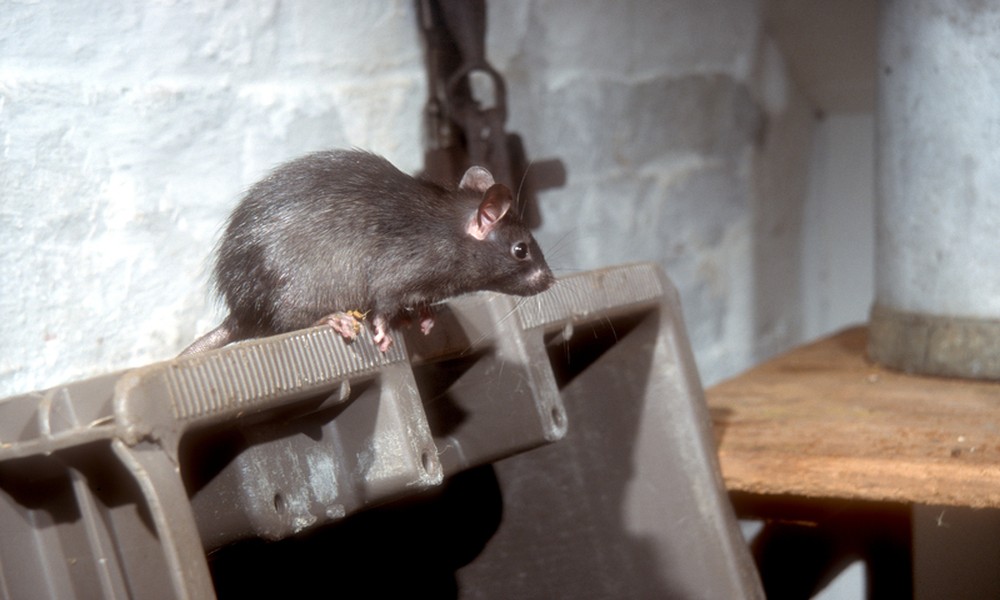

Longview is nestled between the Columbia River and dense Pacific Northwest vegetation, which offers roof rats the kind of environment they love most. These rodents thrive in the area because of the presence of moisture, mature trees, older homes, and mild winters. Thankfully, Pointepest.com professionals can help homeowners handle these rodents and prevent them from invading homes again.
What Makes Roof Rats Different From Other Rodents
Most people picture rats as ground-level creatures, but roof rats operate differently. They are agile climbers that prefer to travel high, including along fences, through tree branches, and across utility lines. Their preferred destination is the upper portions of structures, which is how they earned their name.
Roof rats are sleek, dark-colored rodents with large ears and a tail longer than their body. They are smaller than Norway rats but can cause just as much damage. They often establish themselves in attics, soffits, and wall voids.
Why Longview Is Especially Vulnerable
Longview’s landscape and climate make it a natural habitat for roof rats. A few conditions work together to draw them toward residential properties:
- Mature tree canopies. These provide aerial highways that roof rats use to access rooftops and upper entry points without ever touching the ground.
- Dense vegetation and overgrown shrubs near the foundation. These offer cover and nesting material close to homes.
- The Columbia River corridor. This creates a humid, mild environment where food sources stay available throughout the year.
- Older housing stock in many Longview neighborhoods. This means more gaps, deteriorated wood, and entry points that have developed over decades.
Roof rats do not need a large opening to get inside. A gap the size of a quarter is sufficient for them to squeeze through. Unfortunately, they may not leave on their own once they find a warm interior space.
The Damage They Do Inside Your Home
Roof rats are not passive houseguests. Once inside, they get to work immediately and the damage accumulates fast. Homeowners in Longview dealing with a roof rat presence can discover:
- Chewed electrical wiring in the attic. This is one of the leading causes of house fires connected to rodent activity.
- Destroyed insulation that has been shredded and used for nesting material. This can reduce your home’s energy efficiency.
- Contaminated storage areas where droppings and urine create health hazards. These are particularly common in spaces where boxes and seasonal items are kept.
- Structural gnawing on wood beams, PVC pipes, and HVAC components. These can lead to costly repairs.
Roof rats are known carriers of diseases including leptospirosis, salmonella, and rat-bite fever. Their droppings can become airborne particles in enclosed spaces like attics once they have dried up.
Signs You May Already Have Roof Rats
Roof rats are nocturnal, so most homeowners never see one. Instead, the clues may show up in other ways. Watch for these warning signs in and around your Longview home:
- Scratching or scurrying sounds. These can come from the ceiling or upper walls at night, which is often the first indication of roof rat activity.
- Droppings near the roofline, in the attic, or along fence tops. Roof rat droppings are banana-shaped and about half an inch in length.
- Gnaw marks on fruit trees or garden produce. Roof rats are omnivores with a strong preference for fruits and nuts.
- Grease marks along exterior walls or fence rails. These are where rats repeatedly travel the same path.
If you spot any of these signs, the population inside or around your home is likely larger than it appears from the outside.
What Professional Pest Control Does
Store-bought traps and repellents rarely solve a roof rat problem in Longview. These rodents are cautious, intelligent, and quick to avoid new objects placed in their environment. A professional pest control approach addresses the full picture by identifying entry points, assessing the population, doing targeted baiting and trapping, and performing exclusion work.
