

A well-planned loft conversion turns unused roof space into a practical living space. Many UK homeowners choose this option to add bedrooms, offices, or guest rooms without relocating. The right design depends on roof shape, planning rules, budget, and the amount of space needed. Each conversion style offers different advantages. The sections below outline the most effective loft conversion types for UK homes, including their structure, suitability, and benefits.
When planning a project, homeowners should also understand UK building rules and structural requirements. The Homebuilding guide to loft conversion building regulations explains how planning permission, structural safety, fire protection, and insulation standards affect loft conversion projects.
Dormer Loft Conversion
The dormer loft conversion remains one of the most common choices across the UK. Builders extend a vertical structure from the slope of the existing roof. This creates extra headroom and floor area.
A dormer suits many semi-detached houses, terraced houses, and detached properties. Builders construct a box-shaped extension that projects from the roofline. Windows fit neatly into the vertical wall, which improves natural light and ventilation.
Key advantages include:
- Significant increase in usable space
- Straight walls that allow standard furniture placement
- Cost-effective compared with other major structural alterations
Many homeowners choose a rear dormer because it often avoids planning complications. The result feels like a full extra storey rather than a converted attic. A well-designed dormer can easily accommodate a large bedroom with an en suite bathroom.
Hip to Gable Loft Conversion
Properties with hipped roofs often struggle with limited loft space. The sloping side roof reduces headroom. A hip-to-gable loft conversion replaces the sloping side with a vertical wall, solving that issue.
Builders extend the roof ridge and construct a new gable end. This simple change transforms the internal layout. The loft gains a wider footprint and far better ceiling height.
This type suits:
- Semi-detached houses
- End of terrace houses
- Certain detached homes with hipped roofs
Many homeowners combine this structure with a rear dormer. Together, they create a large rectangular space that works well for two bedrooms or a master suite. The external design blends naturally with the house when matched with similar bricks and tiles.
Mansard Loft Conversion
The mansard loft conversion offers the greatest transformation of roof space. Builders alter one side of the roof to form a steep slope, often close to vertical. The top section remains flat.
This design maximises the full width of the property. The steep angle increases headroom across most of the floor. As a result, the loft feels more like a conventional upper floor.
Typical features include:
- Large dormer-style windows
- Nearly vertical walls
- Flat roof section at the top
Mansard conversions often appear on period terraces in London and major UK cities. Planning approval usually applies because the structure alters the roof profile. Despite the extra work, homeowners value the substantial living space gained. Many projects create two bedrooms and a bathroom within the loft area.
Velux Loft Conversion
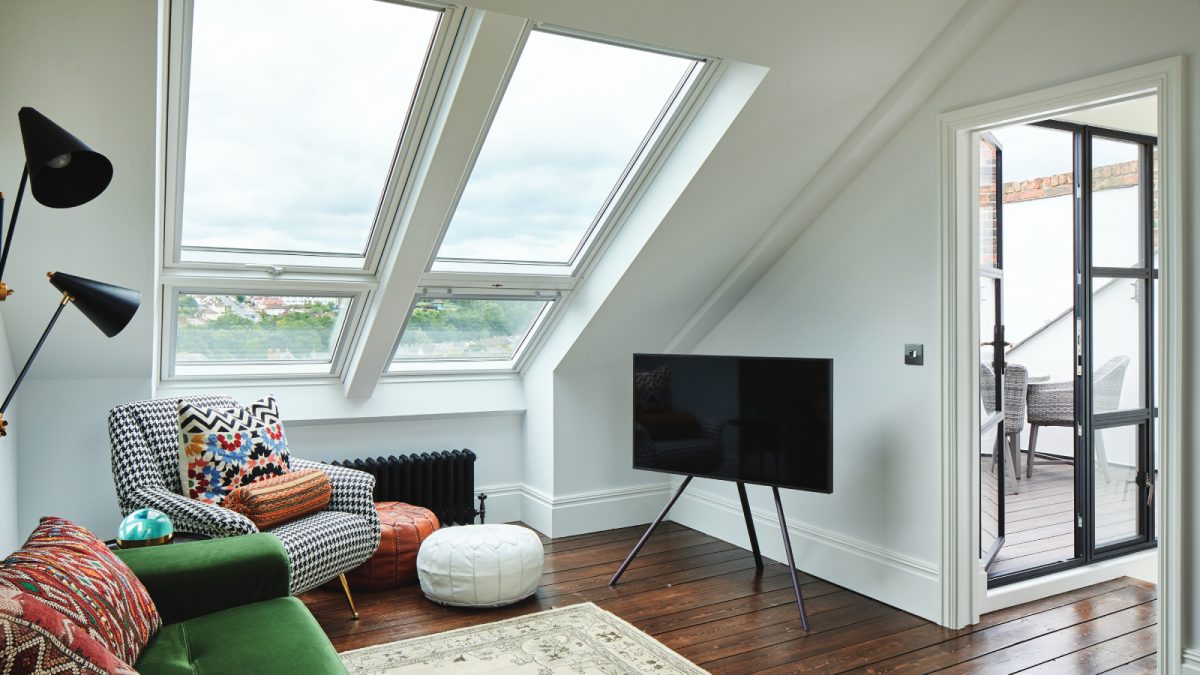
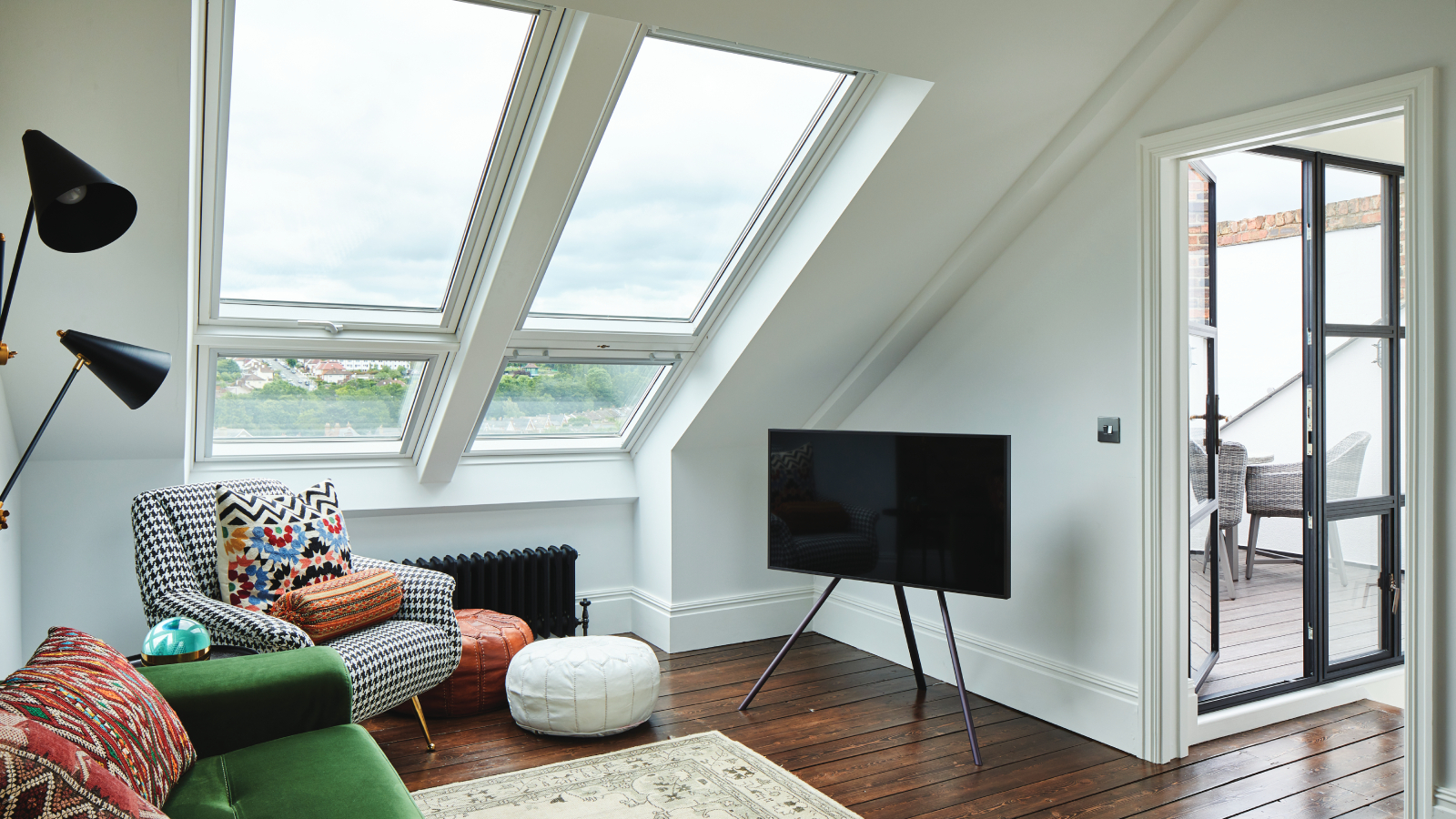
The Velux loft conversion, sometimes called a rooflight conversion, provides the simplest route to extra living space. Builders keep the original roof structure intact. Instead, they install roof windows directly into the slope.
This option is best when the existing loft already offers sufficient height. Minimal structural work keeps the cost lower than most other conversions.
Common features include:
- Rooflight windows
- Insulation upgrades
- New flooring and internal staircase
The finished room retains the natural slope of the roof. Many homeowners use this design for home offices, hobby rooms, or spare bedrooms. The installation process moves faster than larger structural projects.
L-Shaped Loft Conversion
An L-shaped loft conversion suits many Victorian and Edwardian terraced houses. These homes often include a rear extension at the ground floor level. Builders extend two dormers to form an L-shaped structure.
This layout creates two connected areas within the loft. The larger section often sits over the main roof. The second section runs above the rear extension.
The design offers clear advantages:
Many projects produce two bedrooms and a bathroom, or a spacious master suite with a dressing area. Families favour this design when they need several extra rooms without extending the property footprint.
Choosing the Right Loft Conversion
Every home presents different structural conditions. Roof height, property type, and planning rules all affect the final design. A well-chosen conversion should balance space, cost, and long-term value.
Dormer and rooflight conversions often suit homes with adequate roof height and straightforward layouts. Hip-to-gable conversions provide extra width for properties with sloping sides. Mansard and L-shaped conversions deliver the largest increase in living space, though they require greater structural work.
A carefully planned loft conversion for a UK house can raise property value, increase usable space, and improve everyday living. When the design suits the property structure, the new floor feels seamless with the rest of the home.
