
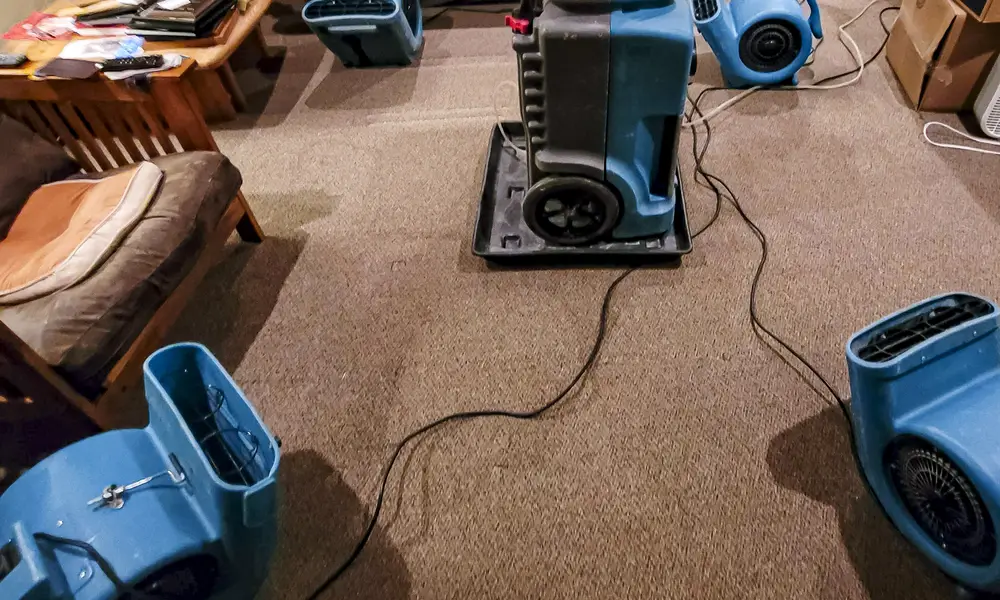

Water on floors and carpets can feel like an instant crisis, but a calm, step-by-step response can prevent lasting damage. The first goal is to stop the source and protect safety. Shut off water if needed, cut power to affected areas if there is standing water near outlets, and remove valuables from wet zones. Next, focus on time. Moisture that lingers can lead to warped flooring, weakened subfloors, and odors that are tough to eliminate. If you are dealing with more than a small spill, professional-grade tools can make a big difference. Home fans and shop vacs help, but they are often too slow for soaked carpet, underlay, or large rooms. For quick access to specialized gear and helpful options, the resource at drying equipment rental in Toronto – Home is worth a look when you need equipment that is built for drying and extraction.
What to Do in the First 24 Hours
Start by removing as much liquid as possible. Blotting works for small areas, but extraction is the real game changer when carpet is saturated. Pull up area rugs if you can, and create airflow by opening interior doors and moving furniture off wet spots. If carpet is involved, lift corners to check the pad. A pad that stays wet can re-soak the carpet even after the surface seems dry. Humidity control matters as much as airflow. If you have a dehumidifier, run it continuously and empty it often. Keep HVAC running if it is safe, and avoid blasting heat without dehumidification, since warm, damp air can still keep materials wet.
Choosing the Right Rental Equipment for Carpets and Floors
Two categories usually matter most: extraction and drying. Extractors remove water trapped deep in carpet fibers and padding, while blowers push high-velocity air across surfaces to speed evaporation. For many household situations, a combined approach is fastest and helps reduce lingering smells. If you are targeting carpet cleanup specifically, this option is a practical starting point: Carpet Blower Rental in Toronto – Carpet Cleaner and Water Extractor – DryingEquipment.ca. Pair extraction with steady airflow, and keep drying until materials are truly dry to the touch and the room humidity is back to normal. A little extra drying time now can save you from bigger repairs later.
