
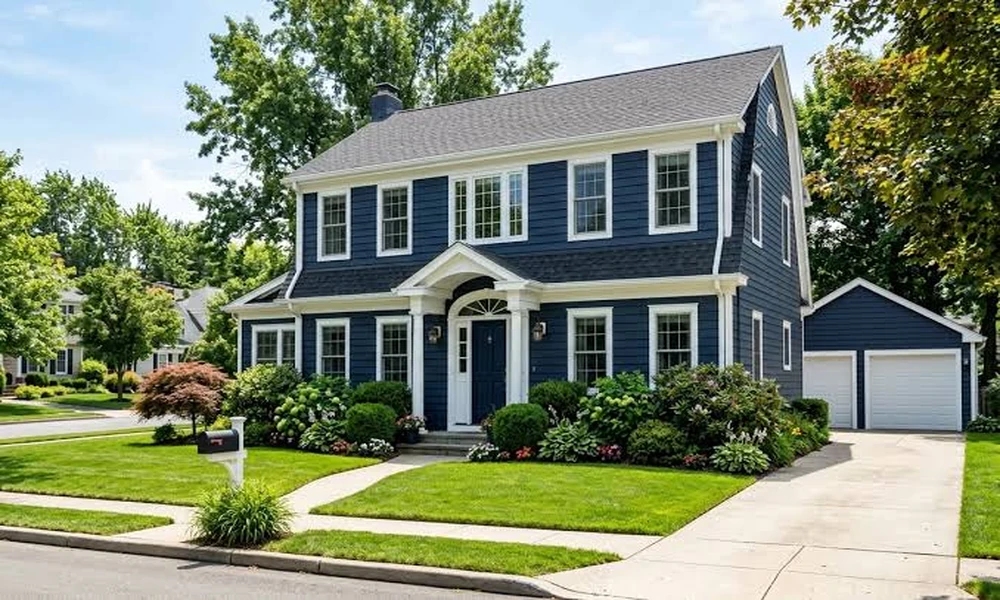

The sample fan usually lands on the kitchen table first. Somebody holds a strip of “Harbor Gray” against the window, somebody else prefers the warmer beige, and for a week the whole project feels like a paint decision. It isn’t. The color is the last thing a siding job gets right, and arguably the least important.
Siding is a weather system. It sheds driving rain, takes hail on the windward side, swells and shrinks through Piedmont summers, and protects a wall assembly that nobody will see again for decades once the new panels go up. The choices that decide how long it lasts are mostly invisible from the curb.
That’s worth keeping in mind whether you’re comparing quotes or just starting to notice tired walls. For homeowners around Davidson County, from Thomasville and Welcome to Midway and Denton, Lexington siding replacement is handled by a GAF Master Elite contractor that also does roofing and gutters, offers siding repair when a full reside isn’t needed, and walks owners through storm damage claims from inspection onward. Whoever you hire, the questions below will tell you a lot about how seriously they take the work.
When the Old Cladding Has Truly Run Its Course
Fading and chalky residue on vinyl are cosmetic. A good wash often brings back more color than people expect. The real warning signs are structural. Panels that warp or ripple in afternoon sun, pieces that pop loose after a windy night, cracks and punctures left by hail, and soft spots you can press with a thumb all suggest the cladding or the wall behind it is failing.
Older homes in this area have their own tells. Hardboard siding from the 1980s and 1990s swells at the bottom edges and around nail heads once water gets in, and no amount of paint fixes that. Wood clapboard that needs repainting every three or four years has usually lost its fight with moisture. Wasps and carpenter bees nesting behind loose boards are another clue that gaps have opened up.
Repair makes sense when damage is limited to one wall and matching panels are still available. The catch is that vinyl from fifteen years ago has faded unevenly, and many profiles are discontinued, so a “small patch” can end up looking like a different house.
Four Materials and the Owners They Suit
Standard vinyl remains the budget favorite because it never needs paint and cleans with a garden hose. Thickness matters more than brochures admit. Panels in the .044 to .046 inch range resist wind and sagging far better than thin builder grade.
Insulated vinyl adds a contoured foam backer that makes panels stiffer and straighter on uneven walls. The insulation value is modest, but it trims drafts and dampens the sound of rain.
Fiber cement is heavy, fire resistant and convincing as painted wood. It does need repainting every ten to fifteen years in this climate, and the installation details around butt joints and windows have to be done carefully.
Engineered wood, such as treated strand products, is lighter than fiber cement, often comes prefinished, and carries long warranties. It must be kept off the ground and away from roof surfaces, since its ends don’t tolerate standing water.
North walls under shade trees grow mildew on every one of these, so whichever you choose, plan for an occasional gentle wash.
The Layer You’ll Never See Again
Tear-off day is when a reside earns its price. Once the old panels come down, the crew finally sees the sheathing, the housewrap and the window flashing. That’s the moment to fix anything wrong, because the next chance comes thirty years from now.
Some findings are common enough that a good contractor prices for the possibility up front.
- Rotted sheathing under windows and along the bottom course, where splashback and leaky sills do their damage
- Missing or torn housewrap, especially on homes built before it became standard practice
- Window openings that were never flashed, only caulked from the outside
- Old wood siding with lead based paint on pre-1978 homes, which calls for lead safe work practices during removal
Ask how replacement sheathing is billed, per sheet or by the hour, so a surprise doesn’t become an argument.
Details That Separate Short-Lived Jobs From Lasting Ones
Most siding failures come from installation, not product. Vinyl moves noticeably with temperature, so it has to hang loosely on its nails rather than being pinned tight. Nails go in the center of the slot with a small gap under the head. Panels need room at every J-channel and corner post to expand. Overlaps should face away from the street and the main sight lines.
The industry’s own vinyl siding installation manual, published by the Polymeric Exterior Products Association, spells these practices out and lists certified installers, which makes it a handy reference when you’re comparing how different crews describe their process. Fiber cement and engineered wood have their own manufacturer rules for clearances and joint treatment, and warranties often depend on following them.
Trim deserves the same scrutiny. Aluminum wrapped over rotten fascia just hides the problem. Cellular PVC trim and properly vented soffit cost a bit more but solve it.
What’s Changing on Local Streets
Darker colors are everywhere now, from charcoal and deep navy to forest green. Newer vinyl formulations hold those shades far better than older products, but they still absorb heat, so the specific line matters. Mixed profiles have also caught on, with board and batten on gables, shake accents over porches and horizontal lap on the main walls.
One modern problem catches people off guard. Energy efficient windows on a neighbor’s house can reflect concentrated sunlight onto vinyl and distort it. If you see a wavy patch that lines up with a nearby window, that’s the likely cause, and screens or a different material on that wall can help.
Money, Timing and Insurance
Siding is priced by the “square,” meaning one hundred square feet of wall. Two story walls, steep gables, extra trim, tear-off of multiple layers and sheathing repairs all push the number up. Comparing quotes only works when each one spells out the same scope.
After a hailstorm, it’s worth having the walls inspected along with the roof. Cracked panels on one side can sometimes justify replacing a full elevation when the old product can’t be matched, depending on your policy.
Spring and fall are the most comfortable seasons for installation here. Vinyl gets brittle in hard cold, and some homeowner associations require color approval before work starts, so build that into the schedule.
Living With the New Exterior
Once the crew leaves, the care is simple. Rinse the walls once a year, keep grills and fire pits a safe distance away, aim sprinklers off the siding, and stop mulch beds from creeping up the bottom course. Register the warranty and keep the paperwork with your home records. Do those things, and the color you agonized over at the kitchen table will be the only part of the job you ever have to think about again.
