
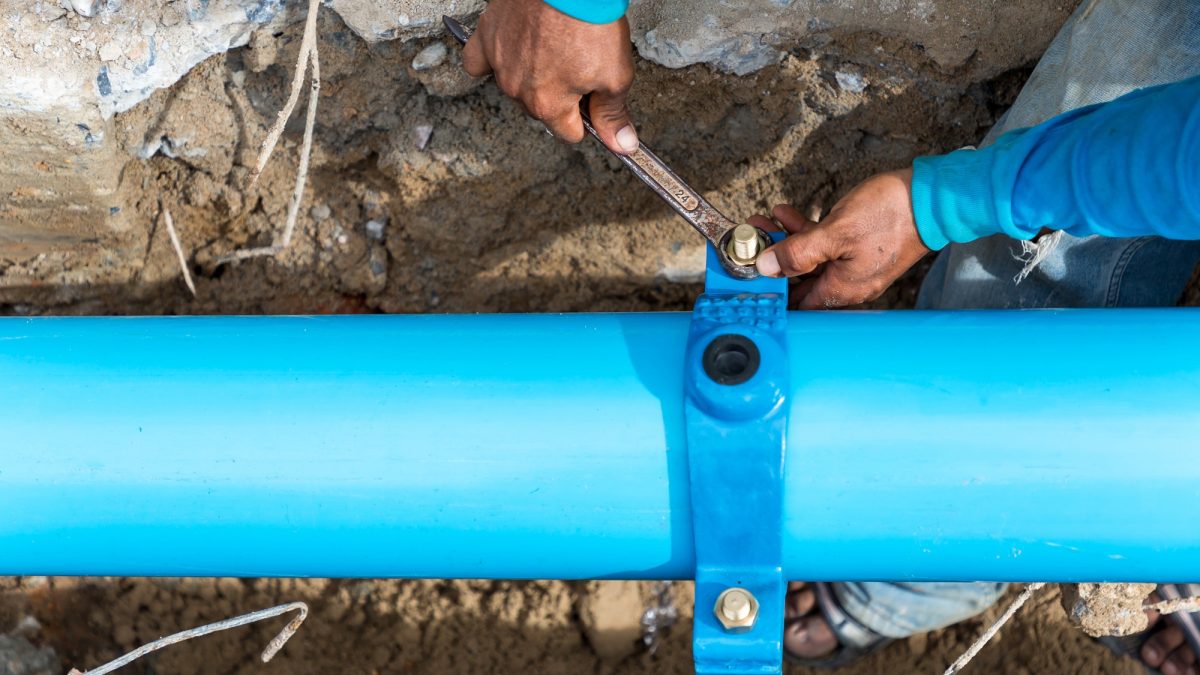

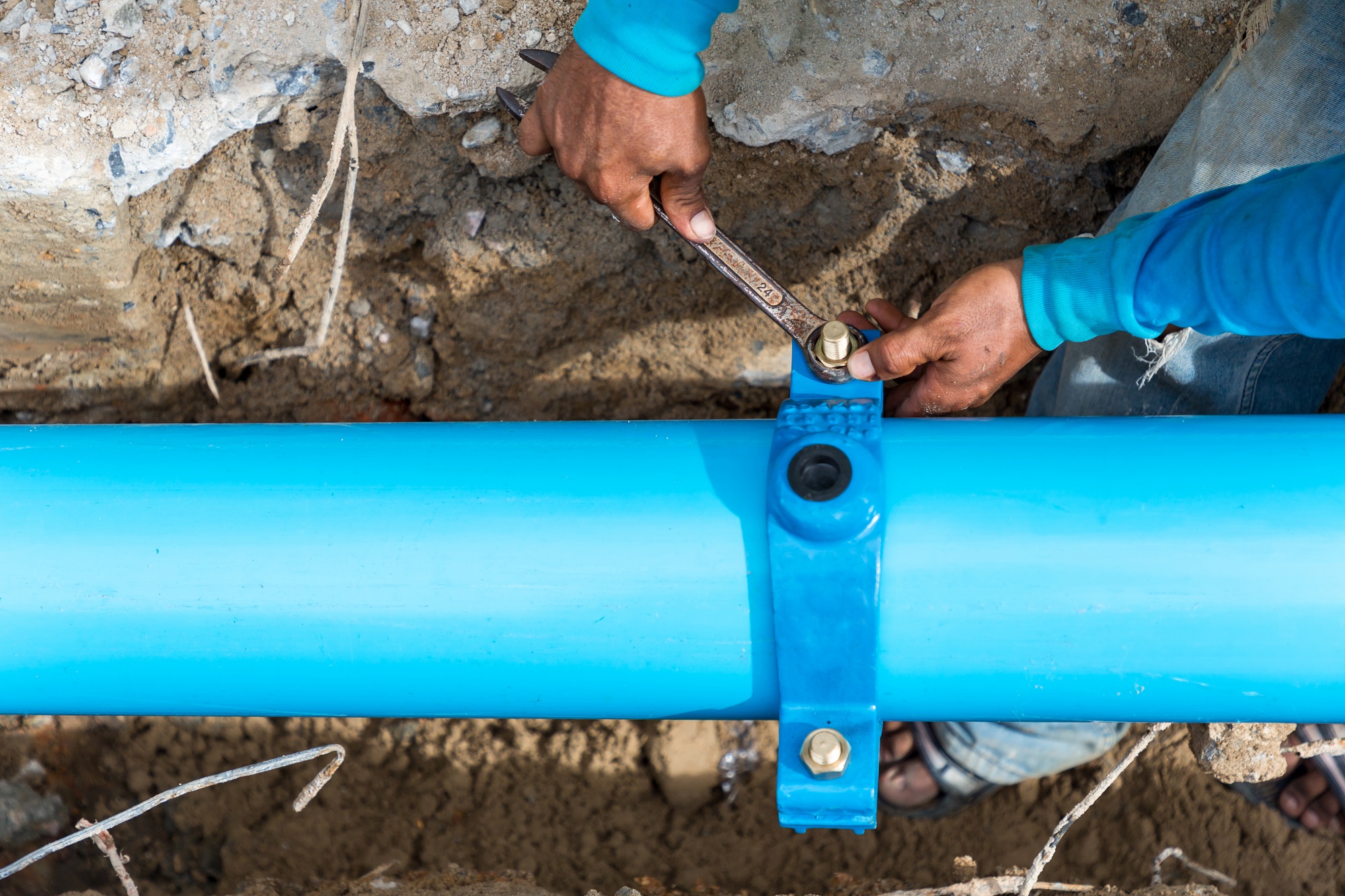
A home’s water service line is one of its most important plumbing components, yet it’s also one of the least visible. Buried beneath the ground, this pipe quietly delivers clean water from the municipal supply to the property every day. Because it’s out of sight, many homeowners don’t think about it until water pressure drops, leaks appear, or an unexpected repair becomes unavoidable.
In Toronto, where many neighbourhoods were developed decades ago, aging underground infrastructure has become a growing concern. Older water service lines are reaching the end of their service life, prompting homeowners to explore replacement options that minimize disruption without compromising reliability. One solution that has gained significant attention is trenchless water line replacement.
Why Underground Water Lines Fail
Water service lines are designed to last for many years, but they are constantly exposed to underground conditions that gradually affect their performance. Soil movement, freeze-thaw cycles, corrosion, mineral buildup, and natural aging all contribute to deterioration over time.
Older homes may also have water lines made from materials that no longer meet today’s standards. As these systems age, they become more vulnerable to leaks, reduced water flow, and structural damage.
Unlike indoor plumbing problems that often appear suddenly, underground water line issues usually develop slowly. Homeowners may notice lower water pressure, higher water bills, damp patches in the yard, or discoloured water before a major failure occurs.
Recognizing these early warning signs can help prevent emergency repairs and reduce long-term costs.
What Is Trenchless Water Line Replacement?
Trenchless water line replacement is a modern installation method that replaces an underground water service line without excavating the entire length of the pipe.
Instead of digging a continuous trench from the street to the house, plumbers create small access points and use specialized equipment to install a new water line along the existing route whenever site conditions allow.
Although some excavation is still necessary, the amount of digging is significantly reduced compared to traditional replacement methods.
This approach is particularly valuable for homes with finished landscaping, concrete driveways, interlocking stone, mature trees, or other features that would be costly to restore after extensive excavation.
Why Toronto Homeowners Are Considering This Option
The increasing popularity of trenchless technology reflects changing homeowner priorities rather than simply advances in equipment.
Many Toronto properties include outdoor improvements that represent a significant investment. Decorative walkways, stone patios, retaining walls, irrigation systems, and established gardens can all be affected by large-scale excavation.
By reducing surface disturbance, trenchless replacement often helps preserve these features while still providing a completely new underground water service line.
Another factor is Toronto’s aging housing stock. Many homes built before the 1970s continue to rely on original or decades-old service lines that may no longer provide the level of reliability expected today. Replacing these systems before a complete failure occurs can reduce the likelihood of emergency repairs and unexpected property damage.
Understanding When Trenchless Makes Sense
Trenchless replacement is not a one-size-fits-all solution. Every property has unique underground conditions that influence whether this installation method is appropriate.
Before recommending trenchless replacement, experienced contractors evaluate several factors, including the route of the existing water line, nearby utilities, soil conditions, access for specialized equipment, and the overall condition of the pipe.
If the existing route contains significant bends, underground obstructions, or structural collapse, traditional excavation may still be the safer and more practical approach.
This is why a professional site assessment remains one of the most important steps in the decision-making process.
Looking Beyond Installation Costs
When homeowners compare replacement options, the discussion often focuses on the plumbing work itself. However, restoration costs can represent a substantial portion of the overall project.
Excavating across a driveway, landscaped yard, or decorative hardscape may require extensive repairs after the plumbing installation is complete. In many cases, these restoration expenses influence the total project cost as much as the replacement of the water line itself.
Considering the complete project—not just the plumbing portion—provides a more accurate understanding of long-term value.
Making an Informed Decision
Choosing a water line replacement method should be based on property conditions rather than assumptions about which technology is newer or more popular.
A thorough inspection helps identify the cause of the problem, determine the condition of the existing service line, and evaluate whether trenchless replacement is feasible. Understanding these factors allows homeowners to make informed decisions that balance reliability, cost, property preservation, and future maintenance.
As Toronto’s underground infrastructure continues to age, proactive planning is becoming increasingly important. Whether the final recommendation involves trenchless installation or traditional excavation, replacing a failing water service line before it becomes an emergency can help protect both the home’s plumbing system and the investment made in the property.
