
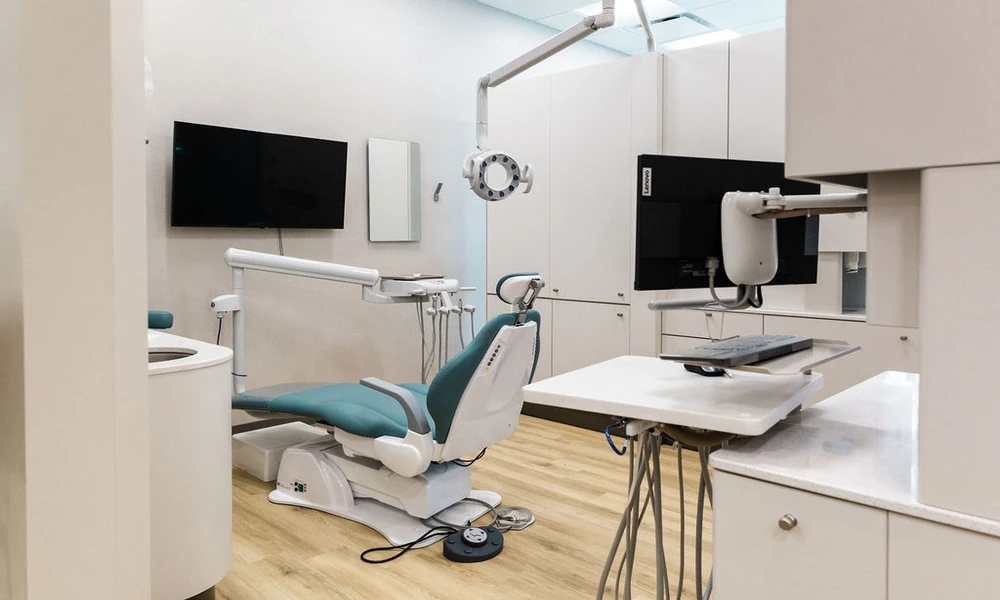

When you get a dental practice, you may spend a lot of time looking at the money numbers and patient numbers. You might read every report about how much work happens in the office. But there is one thing that many people miss-it is real estate due diligence. A practice can look like it earns a lot of money. But problems with the building or lease can really get in the way.
Bad things can hide in your lease or the actual building. If your lease is too strict, or if the plumbing has issues that no one checked, you could lose money very fast. These building problems can change the value of your practice. It is good to look closely at every part of real estate before you buy. This keeps your practice running well. It helps you hold on to practice money, and it lets your practice grow and get info in the future.
Why Real Estate Due Diligence Matters in Dental Practice Acquisitions
A purchase of a healthcare practice is totally different from that of an ordinary business. This particular location of the dental practice requires specific healthcare practice facilities to be installed. The power supply will have to be increased here. There should be specific pipelines laid. The business operation requires adherence to certain regulations. In case you fail to evaluate the real estate associated with the healthcare practice prior to buying it, you will face various challenges.
1. Navigating Lease Assignment and Landlord Consent
The biggest real estate problem you will see when you buy a practice is getting the lease in your name. You and the seller may have a good deal. But things can go wrong. If the person who owns the property does not let you have the lease, or if they want to change it, your deal can end. Sometimes, this can make everything fall apart.
Key Lease Clauses to Evaluate
- Assignment and Assumption Provisions: You need to look at the rules for getting the owner of the place to say yes. Some leases let the owner say no to someone new. The owner can also ask for more rent for a new person, just because they feel like it.
- Personal Guarantees and Recourse: You should know if the owner wants the buyer to promise to pay. You also need to see if the selling dentist will still have to pay if the one buying does not pay.
- Remaining Term and Renewal Options: A bank often wants the lease to last at least as long as the loan. Most of the time, this is around ten years. If the lease ends soon and there is no way to keep renting the place, it will be hard to get money when you want to sell.
2. Inspecting Specialized Clinical Infrastructure
Dentists are not the same as people who work in an office. They cannot just be at any building and start their job. There is a need for a lot of money to put in or change the big dental tools and machines.
| Physical Infrastructure | Key Inspection Checkpoints | Risk Impact |
|---|---|---|
| Plumbing & Drainage | Check operatory supply lines, vacuum suction drainage, and amalgam separator integration. | Undetected plumbing defects can cause severe operational shutdowns or costly slab trenching. |
| Electrical Capacity | Verify panel amperage for imaging gear, CBCT scanners, and heavy clinical equipment. | Insufficient power limits practice modernization and increases build-out expenses. |
| HVAC & Filtration | Inspect airflow, ventilation rates, and room-level sterilization ventilation. | Subpar climate control compromises patient comfort and staff health compliance. |
3. Evaluating Location, Demographics, and Accessibility
- Patient Parking and ADA Compliant: It is necessary to ensure that adequate parking space for patients is created, regardless of the amount of traffic at the center. The waiting room, examination rooms, and bathroom should meet all ADA specifications.
- Signage Rights & Ingress/Egress: The sign should be visible from both the street and other key locations. The ingress/egress of the large hallway should be made convenient and unimpeded so as to enter easily.
- Area Density & Demographics: It should be ensured that more people reside in the area and the income of people in the area fits into the type of services that will be provided (e.g., general dentistry, pediatric dentistry or other).
4. Assessing Property Ownership vs. Leasing Models
In some deals, people who buy can get the real estate along with the dental practice. Both of these ways have clear give and take.
- Buying the Real Estate: This way gives you more safety. It can keep you from rent getting higher. You can build value over time. But you need to pay more in the beginning. You also need to take care of the place for years.
- Leasing the Space: This way lets you have more freedom at the start. You do not need as much cash to begin. But how well it works for you depends a lot on the deal you make with the owner. It also depends on money for fixing the place, and if you feel sure you can stay there a long time.
Conclusion
Real estate due diligence is not just another task you do. It matters a lot when you need info for buying a dental practice. If you see things like trouble with the lease, small problems with equipment, or things that stop you from growing, you notice these before the deal ends. This helps you talk better with sellers. You feel good when you talk about price, ask for money from a lender, and keep your money safe. A careful and tidy look at practice property helps new owners get started without big issues. It also puts the practice in a good spot for growth and get info later on.
