
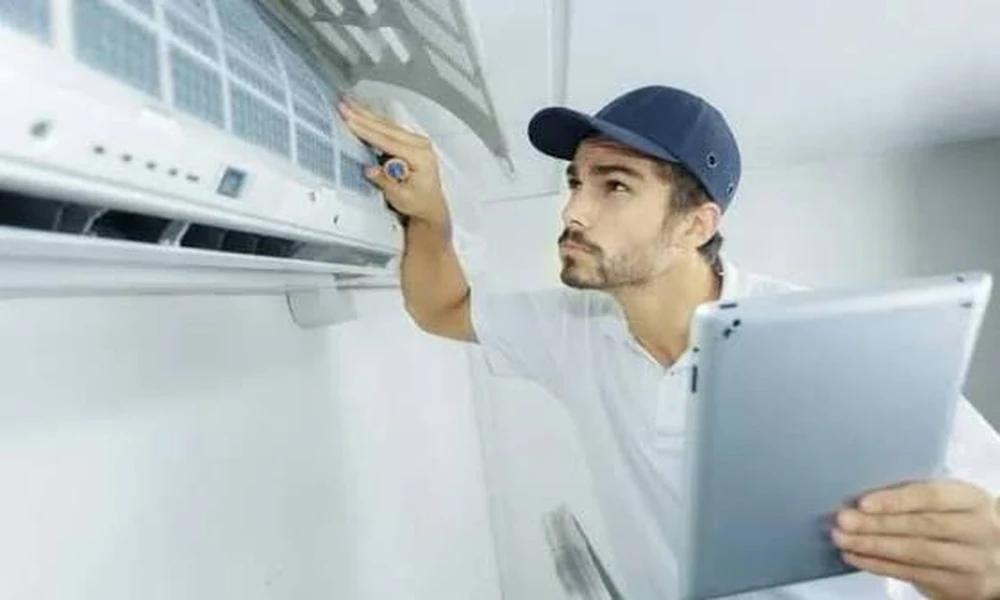

A power surge can leave you with more than flickering lights. If your heating or cooling system refuses to turn back on afterward, it’s natural to worry that something expensive has failed. In many cases, however, the problem may be something simple that you can safely check before calling for professional help. If the issue continues after basic troubleshooting, experienced HVAC services Herndon, VA can diagnose the cause and restore your system safely.
Before you start pressing buttons or resetting breakers repeatedly, it’s important to understand what a power surge can do to an HVAC system and which steps are safe to take on your own.
Why Power Surges Affect HVAC Systems
A power surge is a sudden increase in electrical voltage that exceeds the normal flow of electricity through your home’s wiring. These surges can happen after lightning strikes, utility grid issues, or when power is restored following an outage.
Modern HVAC systems rely on sensitive electronic components, including circuit boards, thermostats, sensors, and safety switches. Even a brief voltage spike may trigger protective features that shut the system down to prevent further damage.
Fortunately, a shutdown does not always mean the equipment has suffered permanent damage.
Start With Basic Safety
Before inspecting any part of your HVAC system, keep safety in mind.
Do not:
- Remove electrical panels.
- Touch exposed wiring.
- Attempt repairs involving electrical components.
- Continue resetting breakers if they trip repeatedly.
If you notice a burning smell, smoke, unusual sounds, or visible damage, stop troubleshooting and have the system inspected by a qualified HVAC technician.
Check Whether the Power Is Fully Restored
Sometimes the problem isn’t the HVAC system itself.
Verify that:
- Other electrical appliances are working normally.
- The home’s main power has been fully restored.
- There isn’t a neighborhood outage still affecting your property.
If portions of the home remain without electricity, the issue may be unrelated to the HVAC equipment.
Inspect the Circuit Breaker
Power surges commonly trip the breaker protecting the HVAC system.
Locate your home’s electrical panel and check whether the HVAC breaker has moved to the middle or OFF position.
If it has:
- Turn the breaker completely OFF.
- Wait a few seconds.
- Switch it firmly back to ON.
If the breaker trips again immediately, avoid resetting it multiple times. Repeated trips usually indicate an electrical fault that requires professional diagnosis.
Check the Thermostat
A surge can also affect your thermostat.
Make sure:
- The display is powered on.
- The batteries are working if your model uses them.
- The thermostat is set to the correct mode.
- The temperature setting calls for heating or cooling.
Sometimes the thermostat simply resets to default settings after a power interruption, making it appear that the HVAC equipment has failed.
Give the System Time to Reset
Many air conditioners and heat pumps include a built-in delay after power is restored.
This delay protects the compressor from restarting too quickly, which could damage the equipment.
Depending on the manufacturer, the waiting period may last anywhere from five to thirty minutes.
If everything appears normal, allow the system sufficient time before assuming it won’t restart.
Look for an Emergency Shutoff Switch
Many homes have an emergency power switch located near the indoor HVAC unit.
It resembles a standard light switch and can occasionally be turned off accidentally during maintenance or while moving items nearby.
Confirm that the switch remains in the ON position before moving on to other troubleshooting steps.
Replace a Dirty Air Filter
Although a clogged air filter is unlikely to be caused by a power surge, an already restricted filter may prevent the system from operating efficiently once power returns.
A clean filter helps improve airflow and reduces unnecessary strain on the equipment.
If you cannot remember when the filter was last replaced, installing a new one is a simple maintenance step worth taking.
Check the Outdoor Unit
If your indoor blower starts but the outdoor condenser remains silent, perform a quick visual inspection.
Look for:
- Fallen branches
- Debris blocking airflow
- Ice buildup
- Obvious physical damage
Avoid opening the unit or attempting electrical repairs. A visual inspection is sufficient until a technician can evaluate the system if needed.
Signs the Power Surge May Have Caused Damage
Unfortunately, some power surges can damage electrical components inside an HVAC system.
Possible warning signs include:
- The thermostat has power, but the HVAC system never starts.
- The breaker continues tripping.
- The outdoor unit hums but does not run.
- The blower operates without heating or cooling.
- Error codes appear on the thermostat or control board.
- Burning odors or unusual noises develop after restarting.
These symptoms often point to damaged capacitors, control boards, contactors, compressors, or other electrical components that require professional repair.
How to Protect Your HVAC System From Future Power Surges
While no protection is perfect, several measures can reduce the risk of future surge-related damage.
Install a Whole-Home Surge Protector
A whole-home surge protector is installed at the electrical panel and helps reduce the impact of voltage spikes entering the home’s electrical system.
Consider HVAC Surge Protection
Some HVAC systems can be fitted with dedicated surge protection devices designed specifically for sensitive heating and cooling equipment.
Schedule Regular Maintenance
Routine maintenance helps identify aging electrical components before they become vulnerable during a power event.
Regular inspections can also improve system efficiency and extend equipment life.
Replace Aging Equipment When Necessary
Older HVAC systems often contain electrical components that become less reliable over time.
If your system frequently experiences electrical issues, discussing replacement options with an HVAC professional may be worthwhile.
When Professional Service Is the Best Choice
Basic troubleshooting is helpful, but some situations require professional diagnosis.
Contact an HVAC technician if:
- The system remains completely unresponsive.
- The breaker continues tripping.
- You suspect electrical damage.
- You notice burning smells or visible damage.
- Cooling or heating performance does not return after restarting.
Modern HVAC systems contain complex electrical and safety controls that require specialized tools and training to evaluate correctly.
Frequently Asked Questions
Can a power surge permanently damage an HVAC system?
Yes. Severe surges can damage components such as circuit boards, capacitors, compressors, or control modules. The extent of the damage depends on the strength of the surge and the system’s built-in protection.
How long should I wait before restarting my HVAC system?
Many systems have an automatic delay of five to thirty minutes after power is restored. Waiting allows the compressor to restart safely.
Is it safe to reset the HVAC breaker multiple times?
No. If the breaker trips repeatedly, stop resetting it. Repeated trips usually indicate an electrical issue that should be inspected by a qualified technician.
Will a surge protector protect my HVAC system?
A quality whole-home surge protector, along with dedicated HVAC surge protection where appropriate, can reduce the risk of damage from many electrical surges, although no device can eliminate every risk.
Should I turn my HVAC system off during severe storms?
If practical and safe to do so, turning the system off during severe electrical storms may reduce exposure to power fluctuations. Many homeowners also benefit from installing surge protection for added peace of mind.
Conclusion
A power surge doesn’t automatically mean your HVAC system has suffered major damage. In many cases, checking the breaker, thermostat, power supply, and allowing the built-in restart delay to finish may solve the problem. However, if the system refuses to restart or shows signs of electrical failure, it’s safest to stop troubleshooting and have it professionally inspected. Acting carefully protects both your equipment and your home’s electrical system while helping prevent more costly repairs later.
