
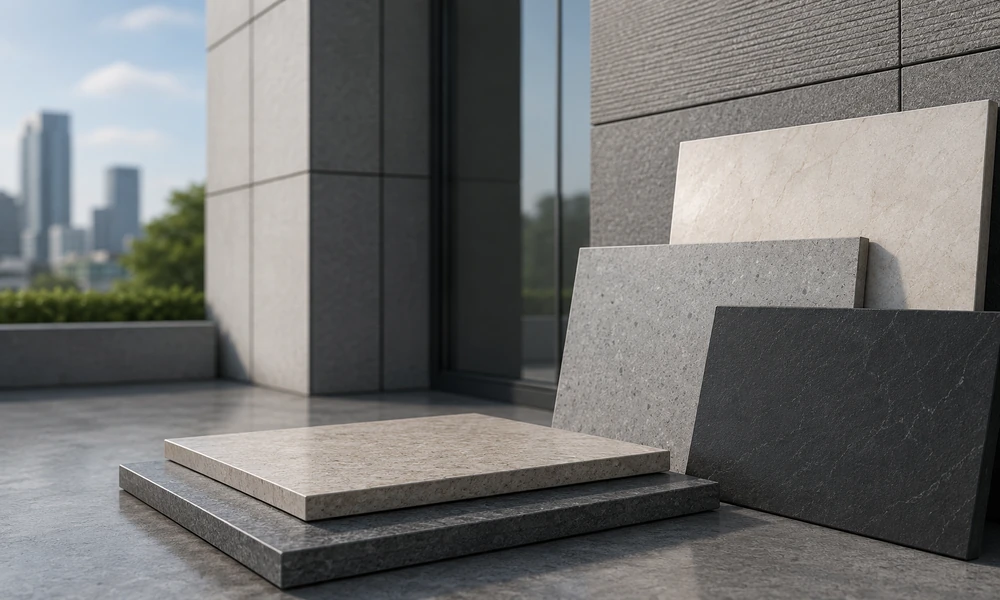

Selecting durable surface materials is one of the most effective ways to reduce building maintenance costs. In modern construction, architects, developers, and property owners look beyond initial installation costs and focus on materials that offer long-term performance, lower repair expenses, and minimal upkeep.
Surfaces in homes, offices, hotels, retail spaces, and public buildings face constant exposure to foot traffic, moisture, stains, and daily wear. Materials such as ceramic and porcelain tiles provide an ideal solution because they combine durability, attractive designs, and easy maintenance.
As a leading ceramic tiles manufacturer in India, Italica Tiles supplies export-quality ceramic and porcelain tiles that meet international standards for residential, commercial, and infrastructure projects. This guide explains how durable surface materials help lower maintenance costs while improving the long-term value of buildings.
What Are Durable Surface Materials?
Durable surface materials are construction materials designed to retain their strength, appearance, and functionality despite continuous use and environmental exposure. They resist common issues such as scratches, stains, moisture, and wear, reducing the need for frequent repairs or replacement.
Common durable surface materials include:
- Porcelain tiles
- Ceramic tiles
- Natural stone
- Engineered stone
- High-performance flooring systems
Among these, ceramic and porcelain tiles are widely preferred because they offer an excellent balance of durability, design flexibility, and low maintenance.
Why Durability Matters in Modern Construction
Today, construction decisions are based not only on purchase price but also on the overall lifecycle cost of a building. Durable materials help reduce long-term expenses by minimising repairs, maintenance, and replacement.
Key benefits include:
- Lower maintenance costs
- Longer product lifespan
- Better building performance
- Reduced material waste
- Improved lifecycle value
For commercial buildings where maintenance can disrupt daily operations, choosing long-lasting materials is both practical and cost-effective.
How Durable Surface Materials Reduce Maintenance Costs
Extended Lifespan
One of the greatest advantages of durable materials is their long service life. Unlike low-quality surfaces that may deteriorate quickly, durable materials maintain their appearance and functionality for many years.
For example, porcelain tiles are manufactured at high temperatures, creating a dense structure that resists wear, stains, and moisture. Their longevity reduces replacement frequency, helping property owners save on both material and labour costs.
Resistance to Wear and Damage
High-traffic environments require surfaces that can withstand continuous daily use. Durable surface materials resist:
- Scratches
- Stains
- Moisture
- Surface wear
- Minor impacts
This makes them ideal flooring materials for high traffic areas, including offices, hotels, shopping centres, airports, schools, and healthcare facilities.
Their ability to maintain both appearance and performance significantly reduces ongoing maintenance requirements.
Low Maintenance Requirements
Routine cleaning represents a major portion of building maintenance costs. Materials that require polishing, sealing, or specialised treatments increase operational expenses over time.
Ceramic and porcelain tiles simplify maintenance because they offer:
- Easy cleaning with regular mopping
- Excellent stain resistance
- Moisture resistance
- No need for specialised surface treatments
These qualities make them particularly suitable for busy residential and commercial spaces where cleanliness and efficiency are essential.
Why Ceramic and Porcelain Tiles Are Preferred
Ceramic and porcelain tiles have become popular surface solutions because they combine durability, design versatility, and long-term value.
Porcelain Tiles for High-Traffic Areas
Porcelain tiles are known for their dense composition and low water absorption. They perform exceptionally well in demanding environments where flooring must withstand constant use.
Common applications include:
- Commercial offices
- Hotels
- Retail stores
- Restaurants
- Airports
- Public buildings
Because of their strength and durability, porcelain tiles for commercial spaces are widely specified by architects and developers.
Ceramic Tiles for Versatile Interiors
Ceramic tiles offer an excellent combination of style and functionality. Available in numerous colours, textures, and finishes, they allow designers to create attractive interiors while maintaining practical performance.
They are commonly used in:
- Living rooms
- Kitchens
- Bathrooms
- Hospitality projects
- Commercial interiors
As a trusted ceramic tiles manufacturer in India, Italica Tiles offers an extensive collection suitable for a wide variety of applications.
Durable Materials and Lifecycle Cost Efficiency
Lifecycle cost considers all expenses associated with a building material-from installation to maintenance and replacement.
Although some materials may have a lower initial cost, they often require more frequent repairs and replacement. Durable materials provide better long-term value by:
- Extending service life
- Reducing maintenance frequency
- Lowering replacement costs
- Preserving appearance over time
- Supporting efficient building management
This makes them a smart investment for developers, businesses, and homeowners seeking long-term savings.
Supporting Sustainable Construction
Durability also contributes to sustainable building practices. Materials that last longer reduce the demand for new resources while minimising construction waste.
Ceramic and porcelain tiles support sustainability by offering:
- Long product lifespan
- Reduced replacement frequency
- Lower maintenance needs
- Efficient resource utilisation
- Improved lifecycle performance
Selecting durable materials helps buildings achieve both economic and environmental benefits throughout their lifespan.
How Architects Choose Durable Surface Materials
Architects evaluate several factors before selecting surface materials for construction projects.
Important considerations include:
- Expected foot traffic
- Moisture exposure
- Cleaning requirements
- Scratch and stain resistance
- Product lifespan
- Design compatibility
Modern tile manufacturing provides architects with a wide variety of marble-look, stone-look, wood-look, and contemporary finishes, allowing them to combine performance with aesthetics.
Why Global Buyers Choose Indian Tile Manufacturers
India has become one of the world’s leading suppliers of ceramic and porcelain tiles due to its advanced manufacturing capabilities, competitive pricing, and extensive product range.
Global buyers prefer Indian manufacturers because they offer:
- Modern production technology
- Consistent quality standards
- Wide variety of tile collections
- Reliable export capabilities
- Strong production capacity
As demand for export-quality tiles from India continues to grow, experienced manufacturers play an important role in supplying reliable products for international construction projects.
Why Choose Italica Tiles?
Italica Tiles is a trusted ceramic tiles manufacturer in India providing durable ceramic and porcelain tile collections for residential, commercial, hospitality, and infrastructure projects.
With advanced manufacturing technology, strict quality control, and an extensive product portfolio, Italica Tiles delivers export-quality tile solutions that meet international standards. Its dependable production capacity and global distribution network make it a preferred partner for architects, builders, developers, and distributors worldwide.
Conclusion
Choosing durable surface materials is an investment in long-term building performance. Materials that resist wear, moisture, and stains help reduce maintenance expenses while preserving the appearance and functionality of residential and commercial spaces.
Among the many options available, ceramic and porcelain tiles remain preferred choices because they combine durability, low maintenance, and design flexibility. As a leading ceramic tiles manufacturer in India, Italica Tiles continues to provide export-quality ceramic and porcelain tiles that support architects, developers, and builders in delivering reliable, cost-effective, and visually appealing construction projects worldwide.
Frequently Asked Questions
1. What are durable surface materials?
Durable surface materials are building materials designed to resist wear, moisture, stains, and daily use while maintaining long-term performance.
2. How do durable materials reduce maintenance costs?
They require fewer repairs, replacements, and specialised treatments, reducing overall maintenance expenses throughout a building’s lifecycle.
3. Why are porcelain tiles considered durable?
Porcelain tiles have a dense structure, low water absorption, and excellent resistance to scratches, stains, and heavy foot traffic.
4. Are ceramic tiles suitable for commercial buildings?
Yes. Ceramic tiles offer durability, easy maintenance, and design flexibility, making them suitable for many commercial applications.
5. How do durable materials support sustainability?
Long-lasting materials reduce waste, minimise resource consumption, and lower replacement frequency, supporting sustainable construction.
6. Why choose Italica Tiles?
Italica Tiles provides export-quality ceramic and porcelain tiles backed by advanced manufacturing, consistent quality, and reliable global supply.
