
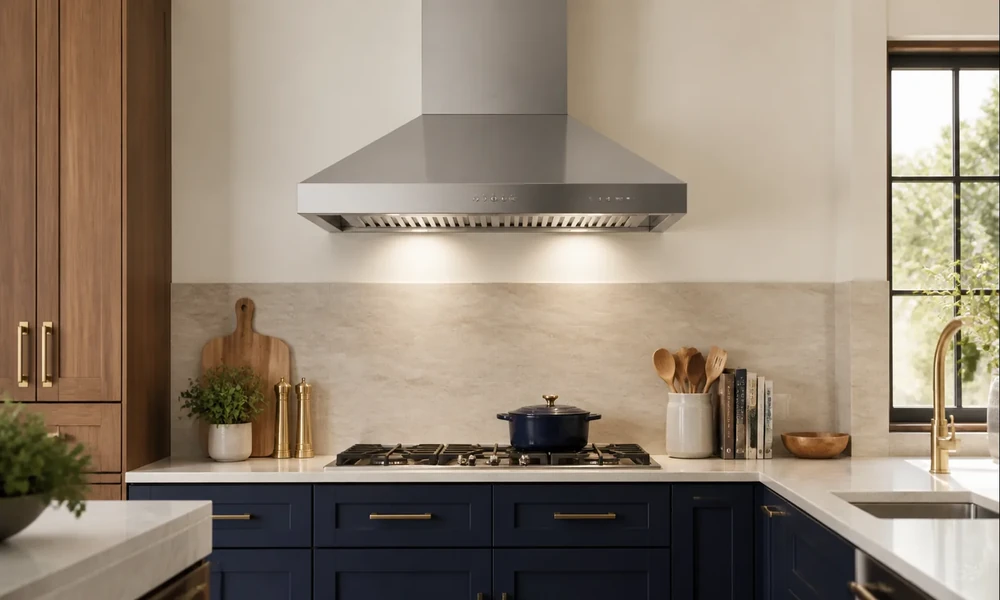

The ducted versus ductless decision for kitchen range hood installation is one that many homeowners find unexpectedly complex. The factors involved – existing duct infrastructure, wall construction, renovation scope, cooking intensity, and long-term plans for the property – are specific to each household. The convertible range hood addresses this complexity by making the decision reversible: install the hood, assess the situation, and choose the extraction mode that works best for the actual installation.
When Ducted Is Worth the Investment
For households that cook frequently at high heat, prepare strongly aromatic dishes regularly, or live in climates where kitchen humidity management matters, ducted operation provides genuinely superior results. The investment in ductwork pays dividends in cooking experience that ductless operation cannot match. A [object Object] installed in a home where ducting is subsequently added can be converted to ducted operation without replacing the hood – protecting the initial appliance investment.
When Ductless Is the Practical Choice
Rental properties, condominiums where duct penetration through external walls is restricted, historic properties where wall penetration is prohibited, and kitchen positions where a viable duct route does not exist are all situations where ductless operation is the practical choice regardless of its performance limitations. A convertible hood in ductless mode with conscientious carbon filter maintenance provides adequate extraction for moderate cooking in these situations.
The Conversion Process
Converting a convertible range hood between ducted and ductless configurations typically involves installing or removing the carbon filter housing and connecting or capping the duct adapter. The specific process varies between models – reviewing the installation instructions before purchase confirms that the conversion is straightforward for the specific model under consideration. Some models require no tools for conversion; others require disassembly of the hood body. For households who anticipate needing to convert, choosing a model with a simple conversion process is worth the research.
Supplementary Portable Extraction
In either configuration, supplementary portable extraction from the [object Object] provides additional flexibility for cooking situations that exceed what the fixed installation handles optimally. For high-heat cooking that generates volumes of steam above the fixed hood’s optimal capacity, portable supplementary extraction at the cooking position improves air quality without requiring a permanent upgrade to the fixed installation.
